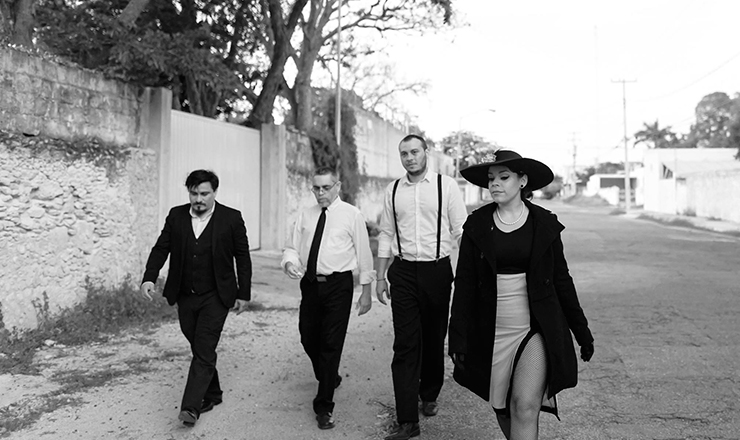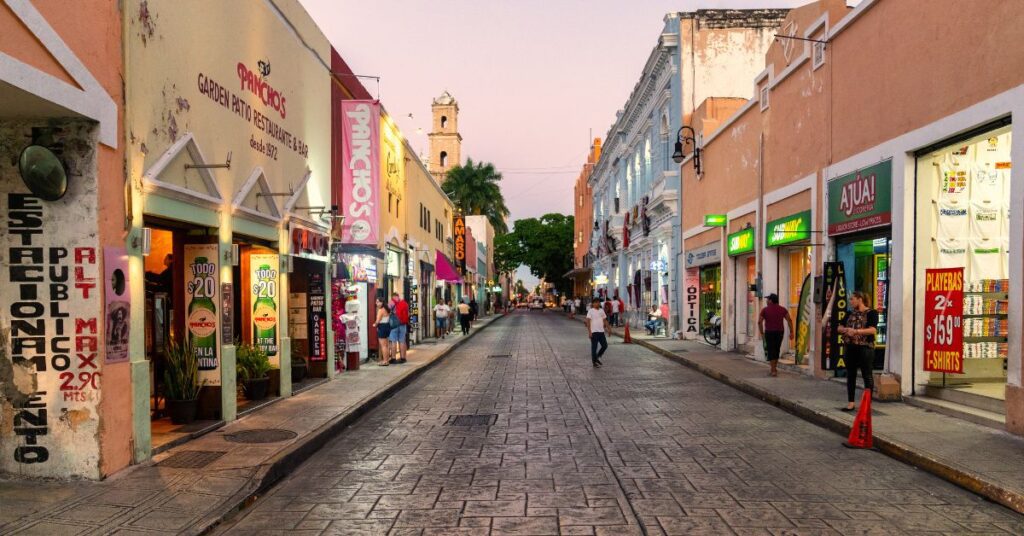

There is something about walking through Mérida’s historic center that gets your imagination going. The grand old houses, enormous wooden doors, colorful facades and little neighborhood parks have witnessed centuries of everyday life. How many lovers have embraced on these same street corners? How many generations have sat on the same park benches, argued over dinner or watched the world go by from their front doors?
You’re quite literally walking through history here. And the lovely thing about Mérida is that history isn’t tucked away behind museum walls. It’s everywhere, woven into the daily rhythm of the city.
But before we get carried away with romantic notions of wandering these beautiful streets, we need to talk about something very important.
THE HEAT.
Mérida can be brutally hot, and a perfectly lovely 11 AM stroll after breakfast can quickly turn into a sweaty disaster in which you’re cursing yourself, the sun and possibly a few innocent passersby.
When is the best time to explore Mérida?
Our general walking guide
| Season | Best time to explore |
| March–November | 7–11 AM and 4 PM onward, depending on the weather. |
| December–February | Generally much more comfortable, sometimes even for a leisurely midday walk. |
| Year-round | Plan museums, long lunches and air-conditioned breaks around the hottest hours. |
These are approximate windows, not guarantees. During particularly hot spells, even 10 AM can feel rather ambitious.
Now that we’ve established when to venture out, let’s get to the good part: where to go.
When is the best time to explore Mérida?
Our general walking guide.
These are approximate windows, not guarantees. During particularly hot spells, even 10 AM can feel rather ambitious.
Now that we’ve established when to venture out, let’s get to the good part: where to go.
1. Lucas de Gálvez and San Benito Markets: A Feast for the Senses
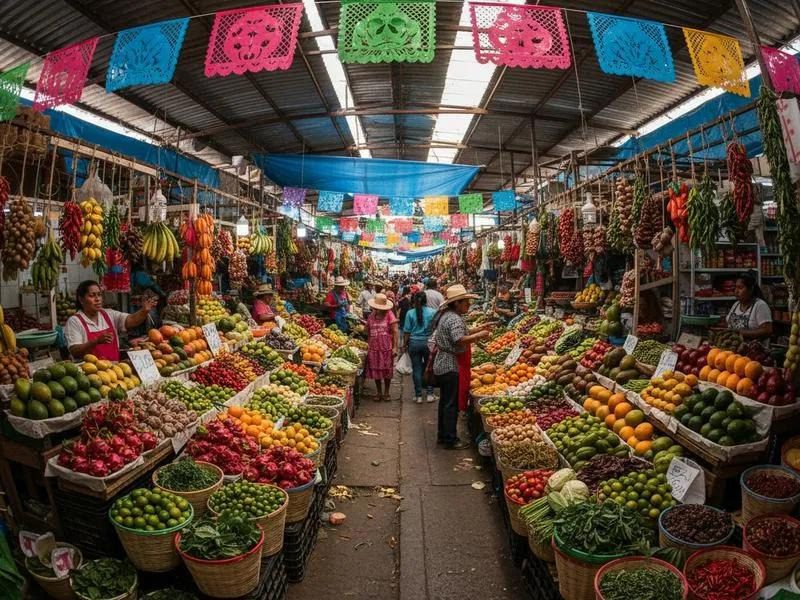
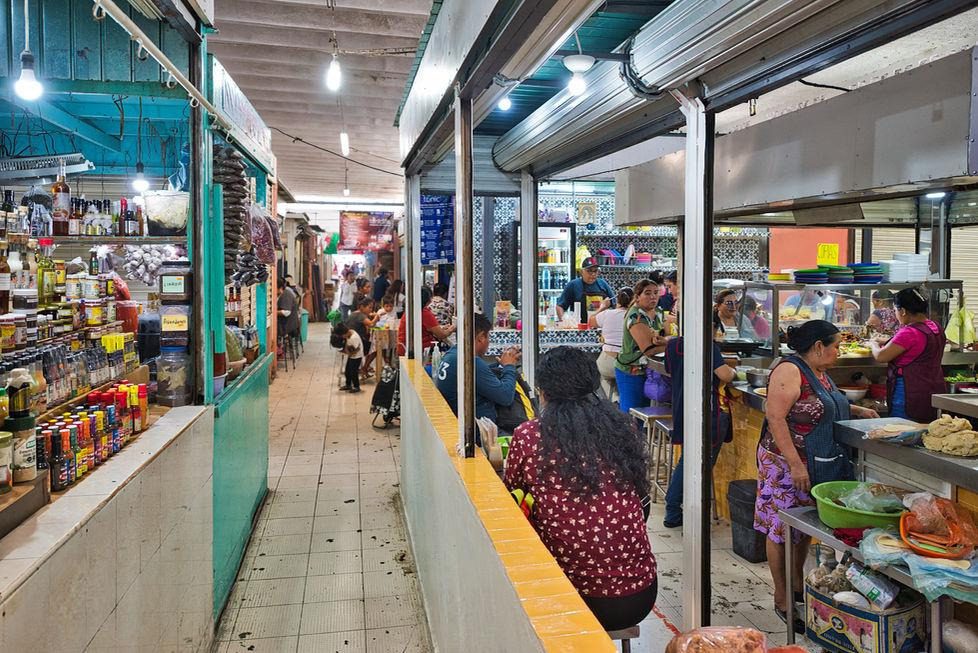
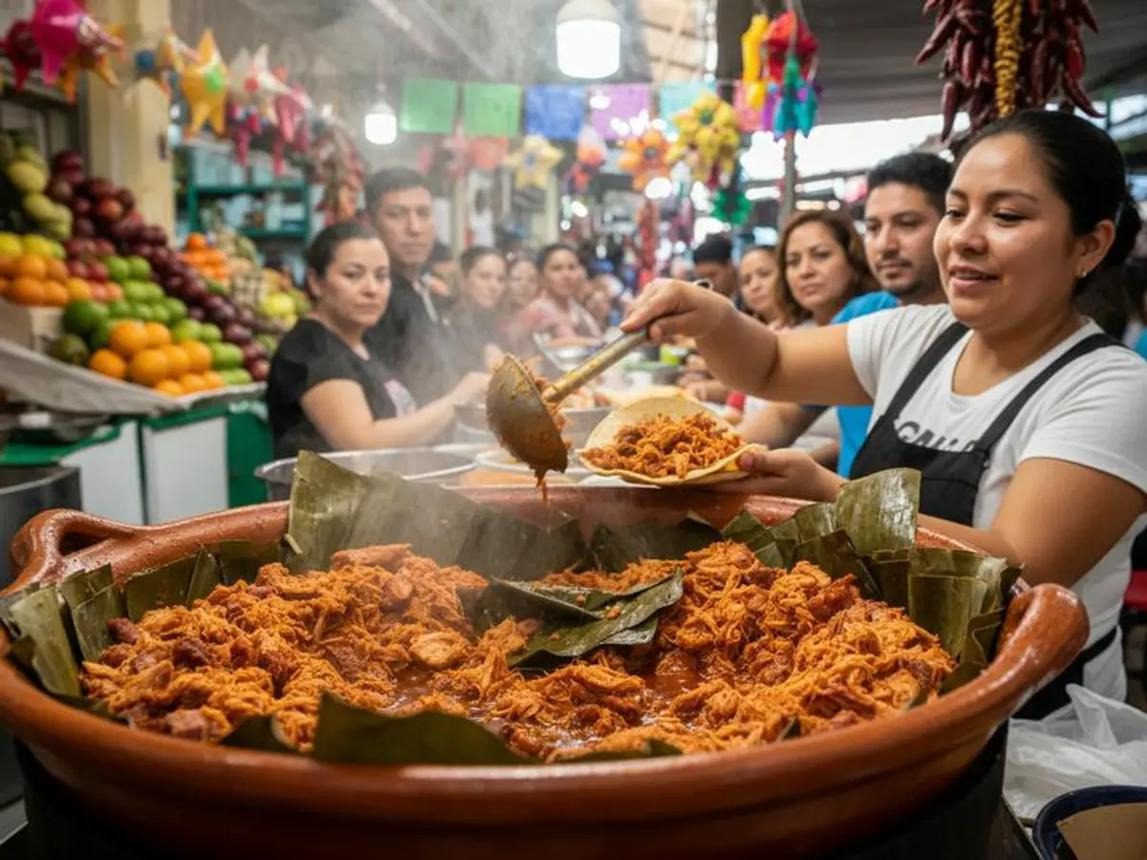
If you want to get a feel for everyday Mérida, start at the markets. The Lucas de Gálvez and neighboring San Benito markets are wonderfully chaotic places where you’ll find mountains of fresh produce, hanging piñatas, embroidered huipiles, spices, flowers and vendors calling out their daily specials.
Follow the smell of freshly made tortillas and slow-cooked pork, and you’ll eventually find yourself contemplating a second breakfast. This is an excellent place to try traditional Yucatecan dishes, discover unfamiliar ingredients and see where locals have shopped for generations.
Lucas de Gálvez dates back to 1887 and remains an important part of Mérida’s commercial life.
One thing we particularly recommend is exploring with a local food guide. We loved our experience with The Lost Taco Food Tour. Having someone explain the ingredients, introduce you to vendors and take you to food stalls you might otherwise walk straight past makes the whole experience so much more interesting.
Explore The Lost Taco Food Tour · See our food tour experience
Fast Facts
- Location: Lucas de Gálvez, Calle 56-A between 65 and 67, Centro; San Benito is next door.
- Atmosphere: Bustling, colorful, wonderfully local.
- Price point: Budget-friendly; guided tours cost extra.
- Best for: Food lovers, photographers and curious travelers.
- Insider tip: Go early, arrive hungry and bring small bills.
2. Plaza Grande: Where Mérida’s History Comes Together
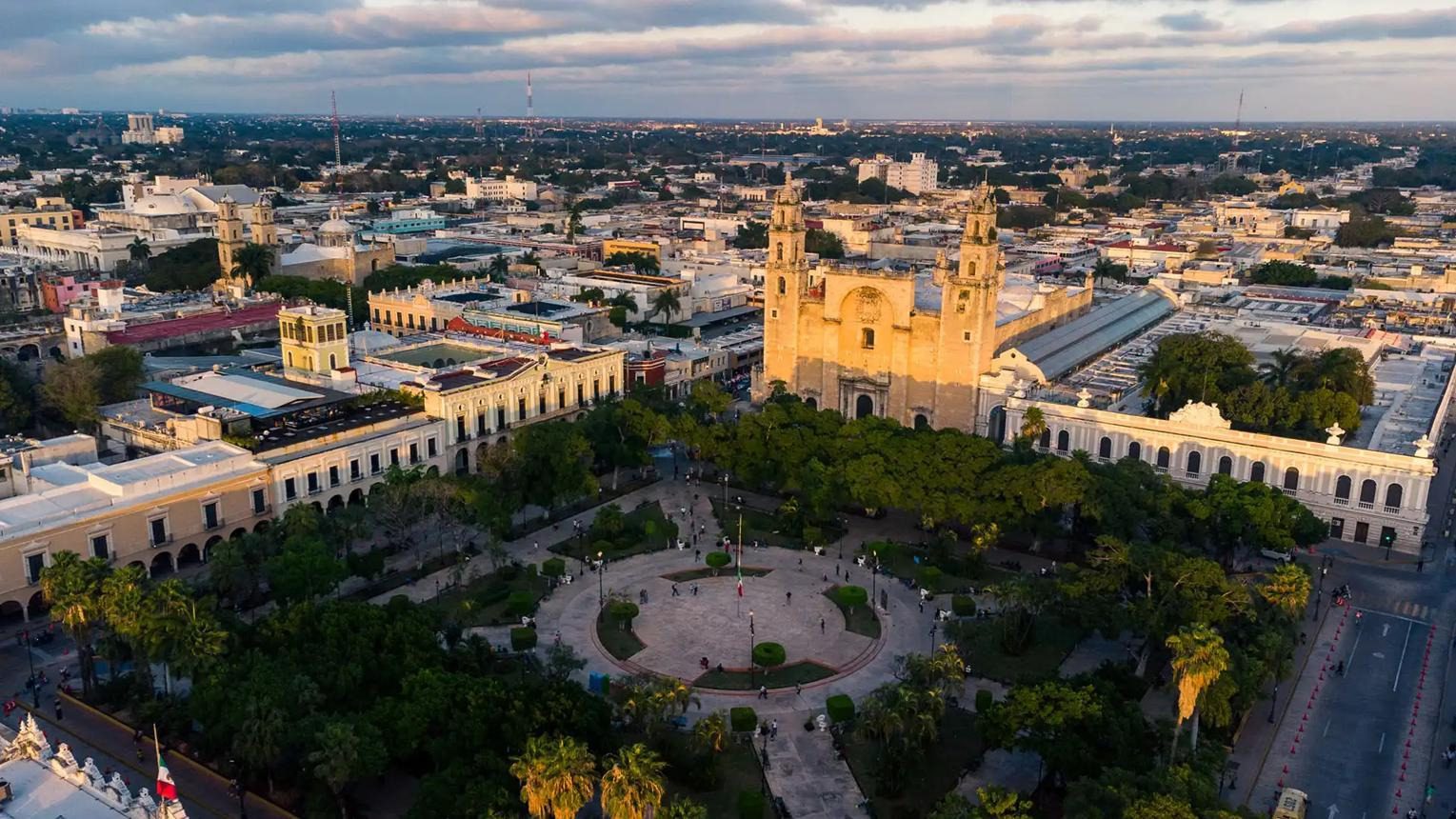
Plaza Grande is where Mérida’s story really begins to unfold. The city was founded by the Spanish in 1542 on the site of the ancient Maya city of T’hó, and this central square has remained a gathering place ever since.
Dominating the eastern side is the Cathedral of San Ildefonso, constructed during the 16th century using stone from Maya structures. Its monumental facade is striking, but it’s the enormous scale and relatively restrained interior that tend to stay with you.
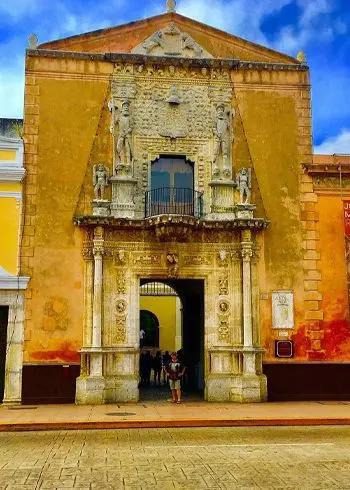
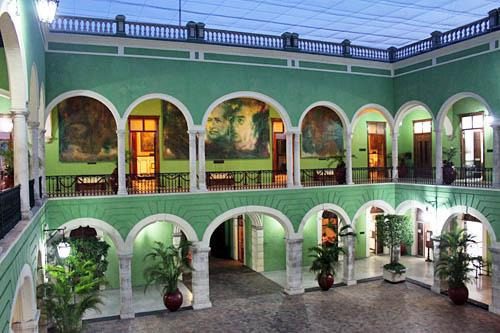
Around the plaza, take your time exploring the historic buildings. The Casa de Montejo, with its elaborately carved facade, recalls the city’s colonial beginnings. The Palacio Municipal faces the square with its distinctive arches and clock tower, while the Palacio de Gobierno houses dramatic murals by Fernando Castro Pacheco that depict Yucatán’s often turbulent history.
Just across the street, don’t overlook the Centro Cultural Olimpo. It’s a lovely contemporary gallery and cultural space with changing exhibitions, and its planetarium offers another reason to pop inside—especially when the afternoon heat becomes a little too enthusiastic.
And of course, there’s Sorbetería Colón, a Mérida institution dating back to 1907. Stop by its Calle 61 location for a refreshing sorbet and enjoy a little people-watching.
Fast Facts
- Location: Calle 60 and 61, Centro.
- Atmosphere: Historic, lively and wonderfully walkable.
- Price point: Free to explore; refreshments and some activities extra.
- Best for: First-time visitors, architecture and history lovers.
- Insider tip: Allow two hours, then return after sunset to see the square in a completely different light.
If the historic center has captured your imagination, explore the surrounding neighborhoods rather than heading straight back to your hotel. Santa Lucía and Santiago each have their own personality, beautiful architecture and excellent places to stop for a drink.
3. Palacio de la Música: An Architectural Surprise
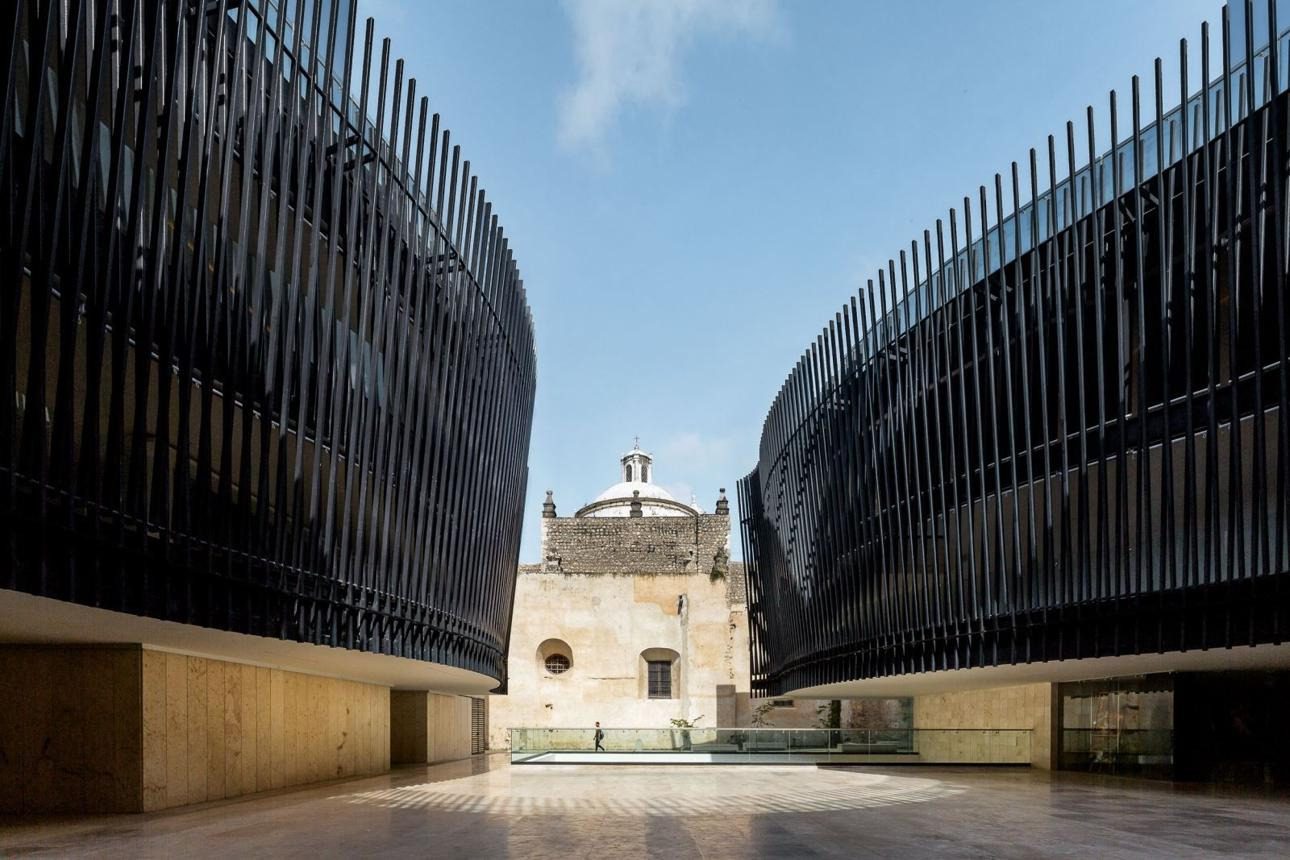
One of the things I love about Mérida is how confidently contemporary architecture can sit alongside centuries-old buildings.
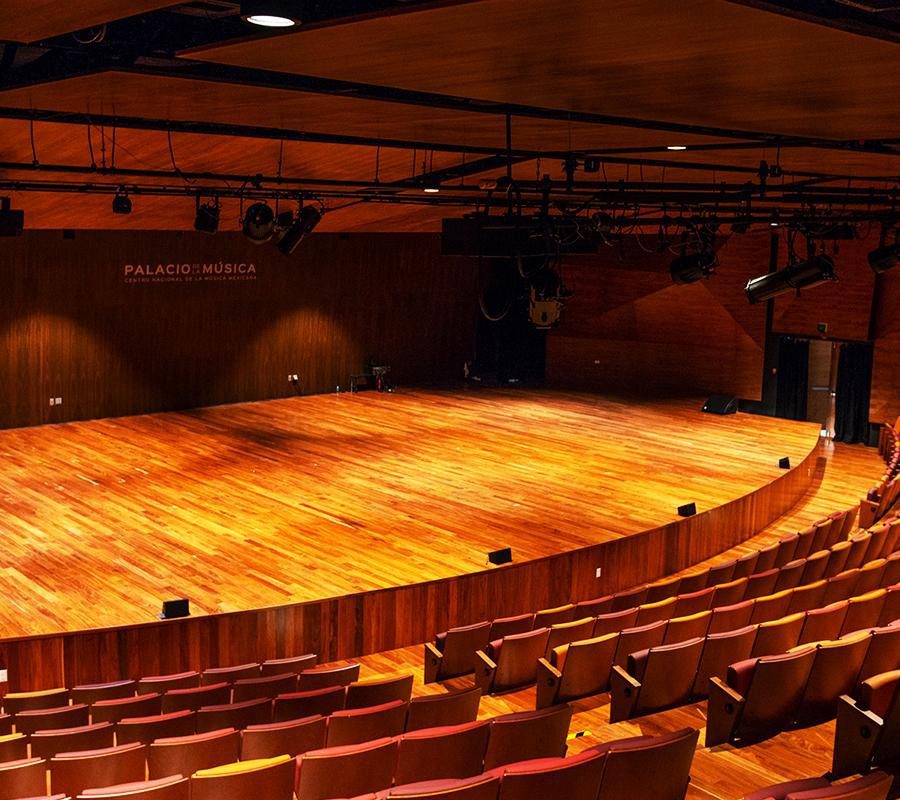
The Palacio de la Música, inaugurated in June 2018, is an excellent example. Its geometric exterior, dramatic use of light and open public spaces create a fascinating contrast with the colonial streets surrounding it.
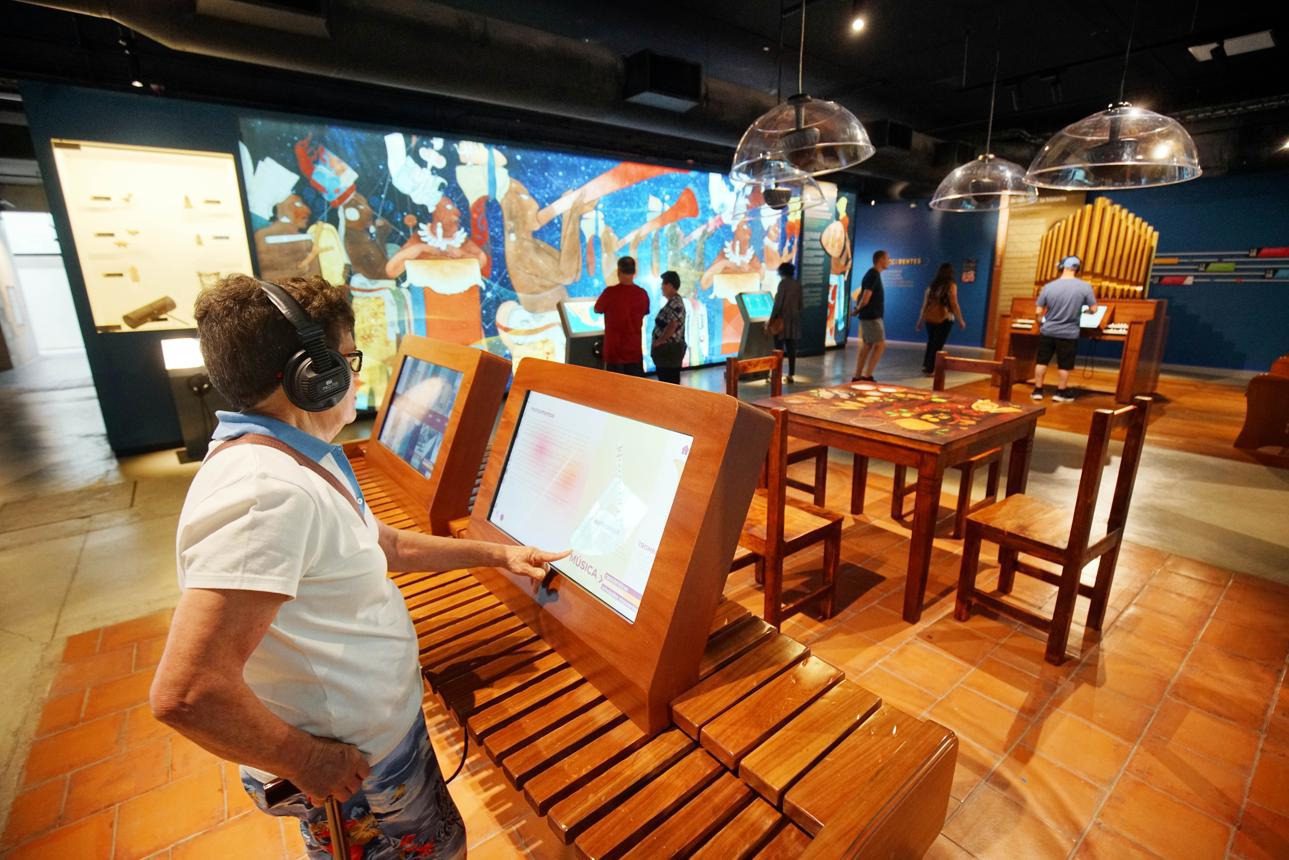
The building is dedicated to Mexican music and includes a concert hall, home to performances by the Yucatán Symphony Orchestra and many other musicians. But even if you aren’t attending a concert, the interactive museum is worth setting aside time for.
Its five exhibition areas explore Mexican musical traditions, their cultural origins, the influence of radio and other media, and the artists who shaped the country’s musical identity. Interactive technology makes the experience accessible and entertaining, even if you don’t consider yourself particularly knowledgeable about music.
We particularly appreciate museums that manage to teach you something without making you feel as though you’re back in school. This is one of those places.
Fast Facts
- Location: Calle 58 between 59 and 60, Centro.
- Atmosphere: Contemporary, cultural and interactive.
- Price point: Museum admission; concerts ticketed separately.
- Best for: Music lovers, architecture enthusiasts and families.
- Insider tip: Check the concert calendar before your visit. An evening performance is a lovely way to experience the building.
4. Paseo de Montejo, Palacio Cantón and Monumento a la Patria
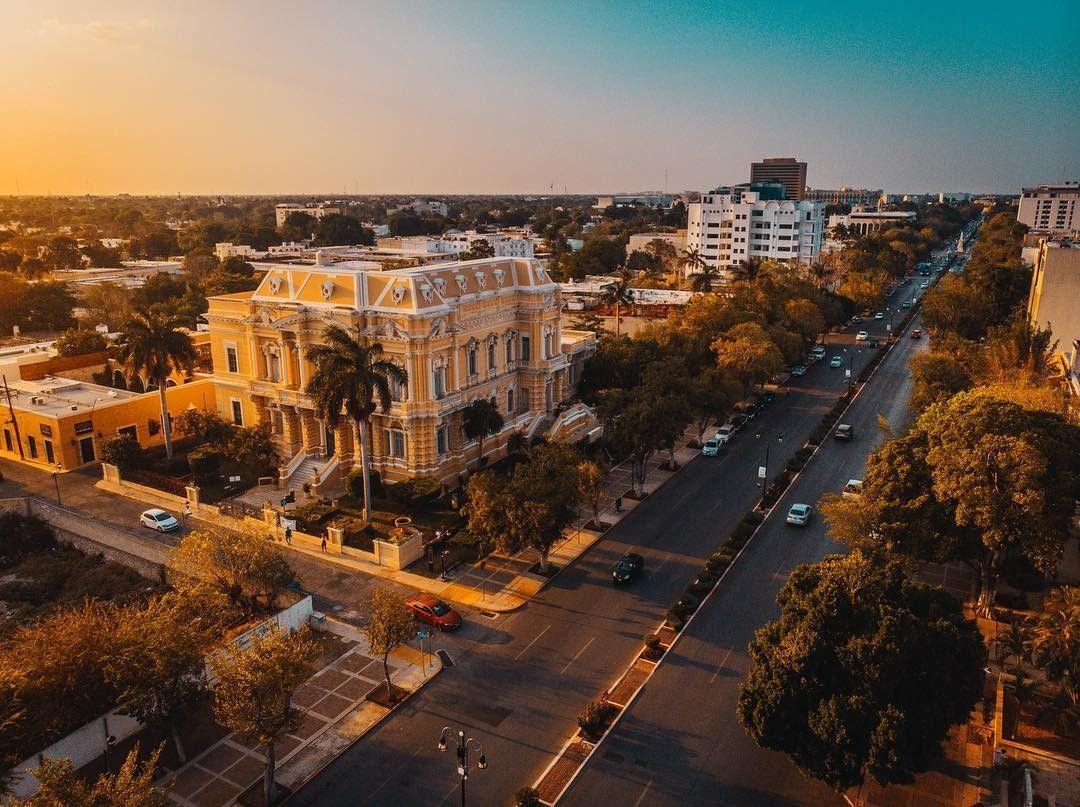
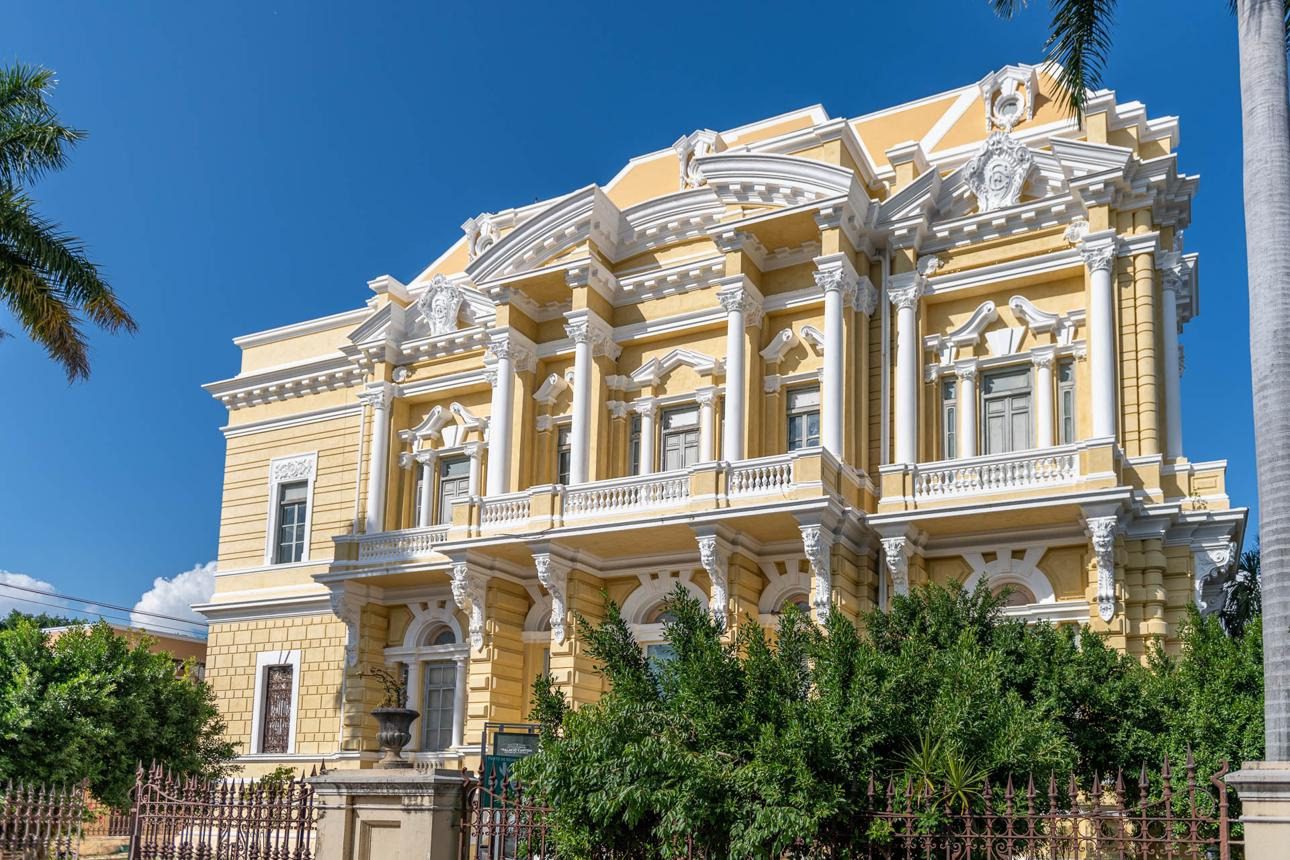
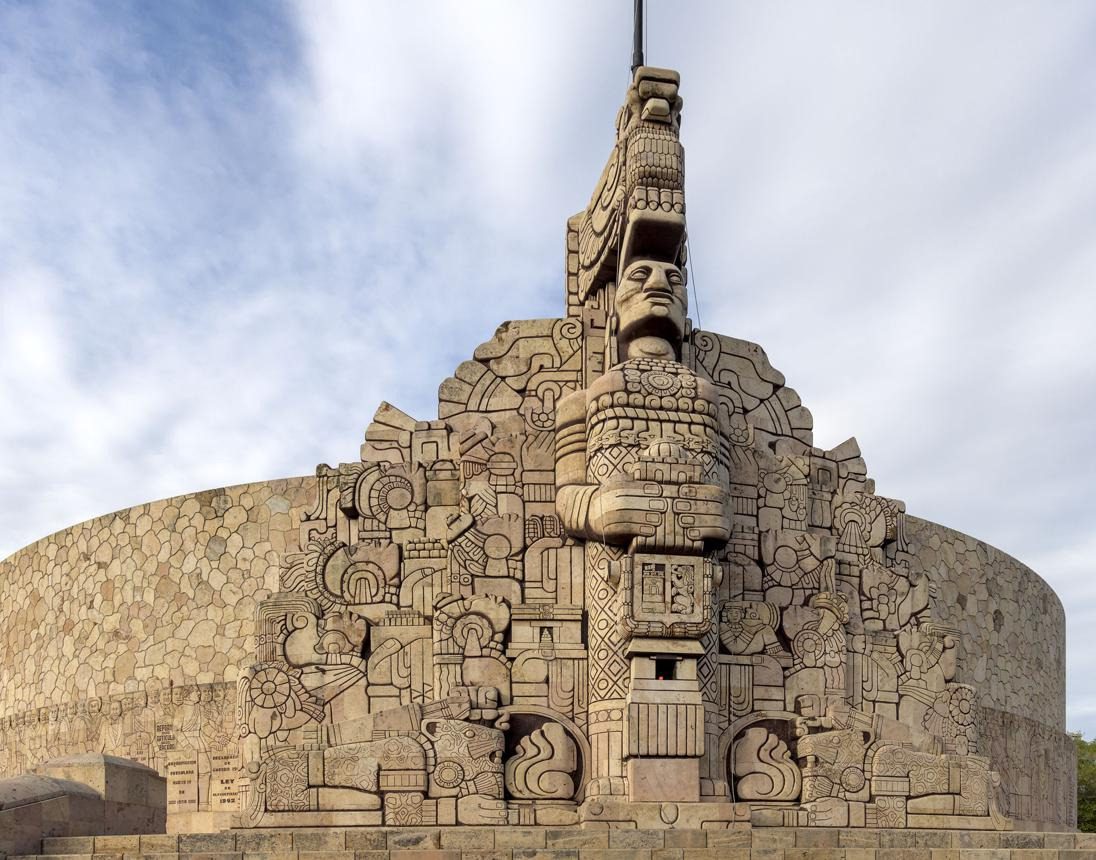
If you love architecture, give yourself plenty of time for Paseo de Montejo.
Inspired by the grand boulevards of Europe, this wide avenue became home to some of Yucatán’s wealthiest families during the henequen boom. Their enormous mansions, elaborate ironwork, decorative stone facades and marble details offer a fascinating glimpse into a period of extraordinary wealth.
One of the most impressive buildings is Palacio Cantón, built between 1904 and 1911 as the residence of former governor Francisco Cantón. Today it houses the Regional Museum of Anthropology, with exhibitions exploring Maya heritage and the history of the region. Even the marble staircase is worth lingering over.
Continue north toward the Monumento a la Patria, the enormous sculptural monument by Colombian artist Rómulo Rozo. Completed in 1956, its carved stone reliefs tell stories of Mexican history, mythology and national identity. Walk around the entire monument; there is an extraordinary amount of detail to discover.
Fast Facts
- Location: Paseo de Montejo, from the Remate north toward Monumento a la Patria.
- Atmosphere: Grand boulevards, historic mansions and leafy sidewalks.
- Price point: Free to stroll; museum admission extra.
- Best for: Architecture, photography and history.
- Insider tip: Start early and take a coffee break along the avenue. It’s a substantial walk, so a taxi for the return journey is perfectly reasonable.
5. Parque de las Américas: Mérida’s Neo-Maya Architectural Treasure
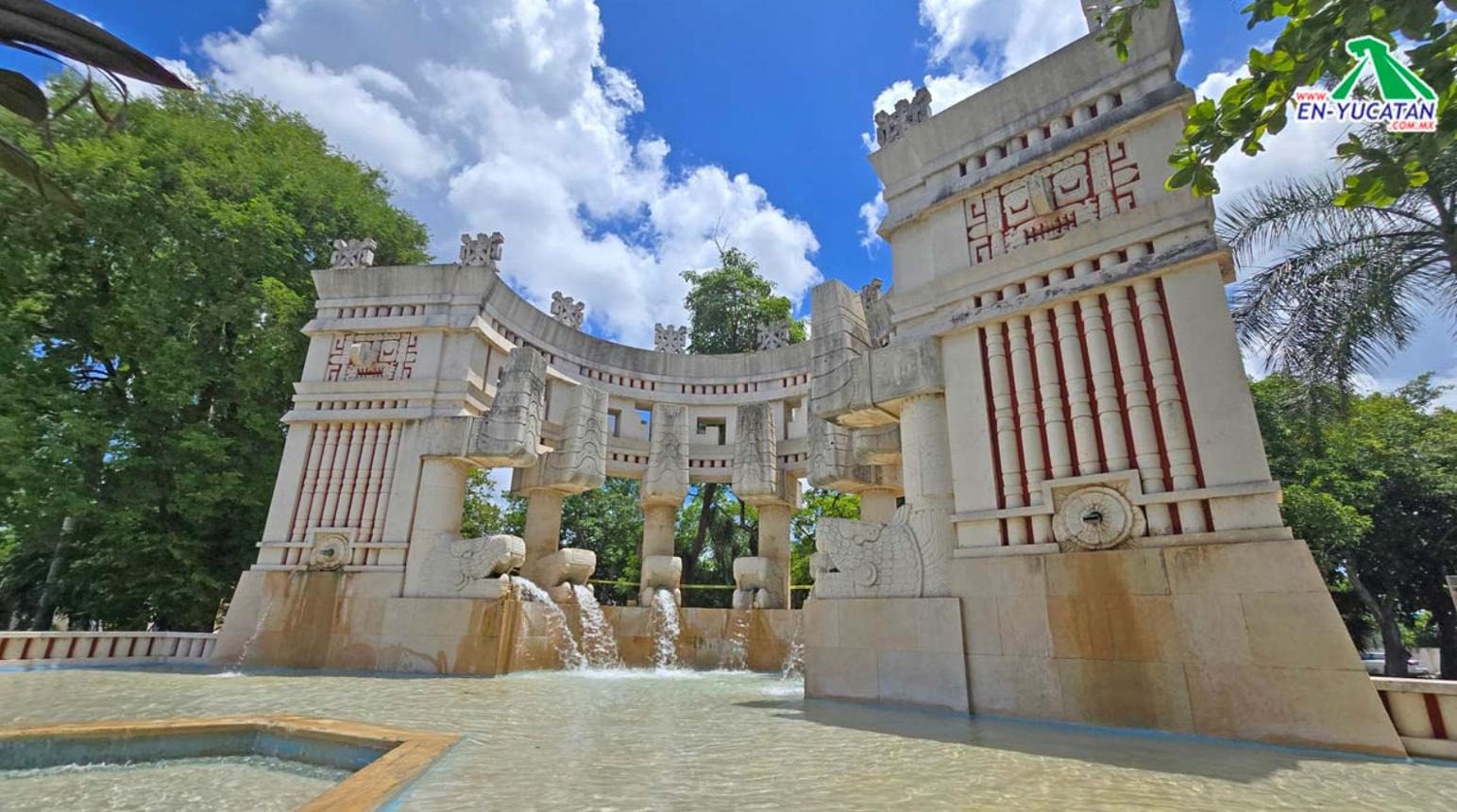
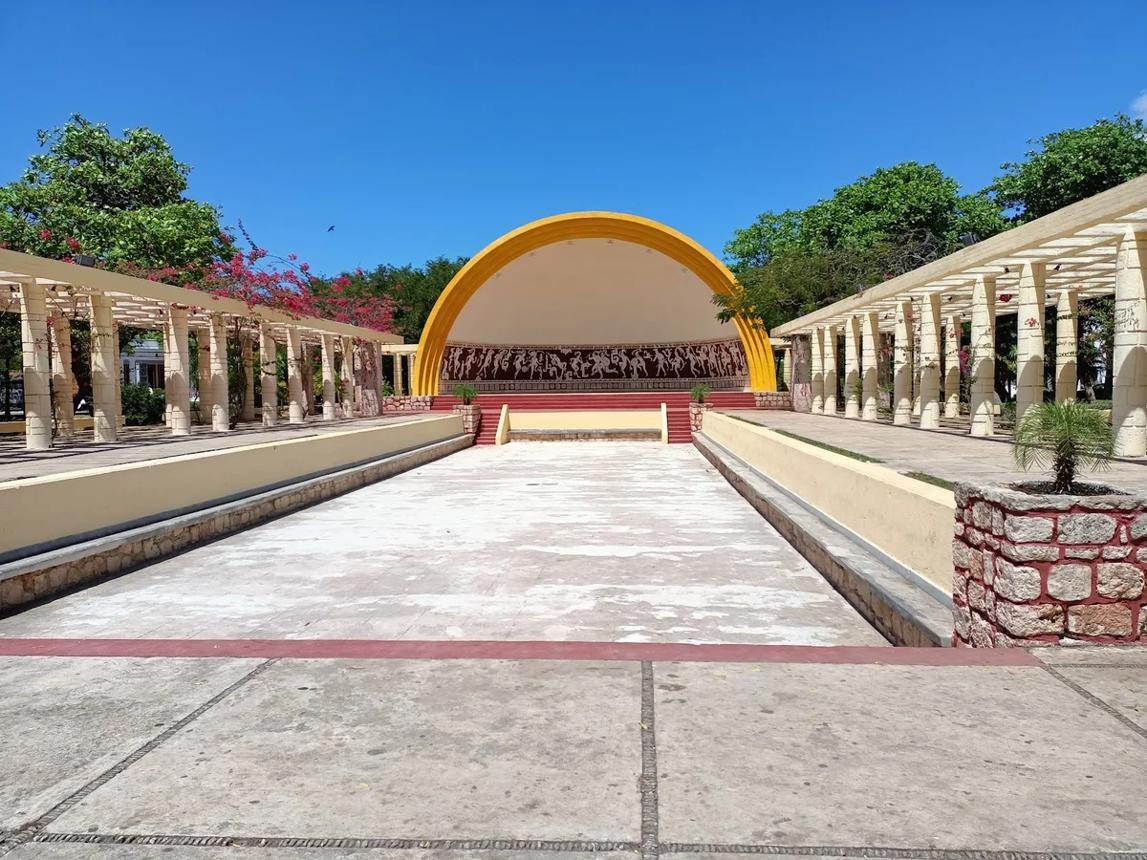
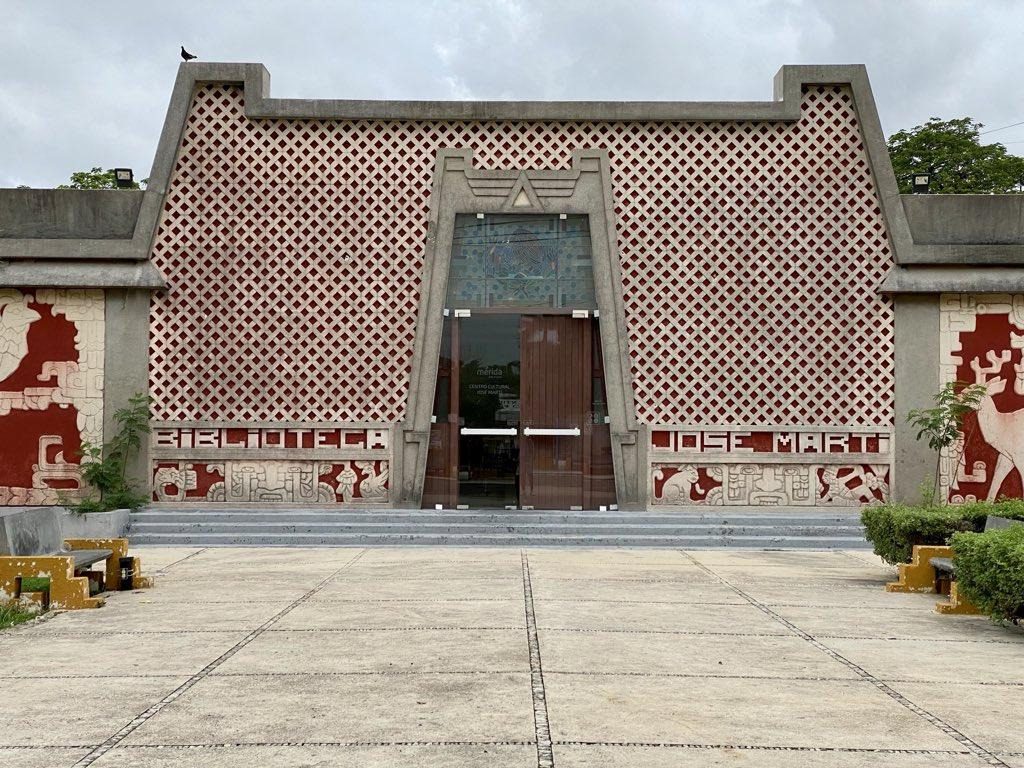
Parque de las Américas is one of those places that reminds us how interesting Mérida’s architecture becomes once you venture beyond Centro.
Designed by architects Manuel and Max Amábilis and completed in 1945, this four-block park combines Neo-Maya architectural elements with Art Deco influences. Its monumental fountain, outdoor amphitheater, geometric stonework and José Martí Cultural Center make it unlike any other park in the city.
The architectural references are particularly interesting. Amábilis drew inspiration from ancient Maya design while creating something distinctly modern for his time.
Today, the park is also an important neighborhood gathering place. Come in the late afternoon when families arrive, children play and the surrounding streets begin to fill with people enjoying the cooler evening air.
Fast Facts
- Location: Colonia García Ginerés, around Avenida Colón and Calle 20.
- Atmosphere: Residential, architectural and family-friendly.
- Price point: Free.
- Best for: Architecture enthusiasts and an authentic neighborhood experience.
- Insider tip: Visit in the evening when the park comes alive and look for local snacks around the surrounding streets.
If you love Mérida’s architecture, don’t limit yourself to its colonial mansions. The city’s Neo-Maya, Art Deco and contemporary buildings tell equally interesting stories about how Mérida has evolved.
6. Parque La Plancha: A New Chapter for Mérida
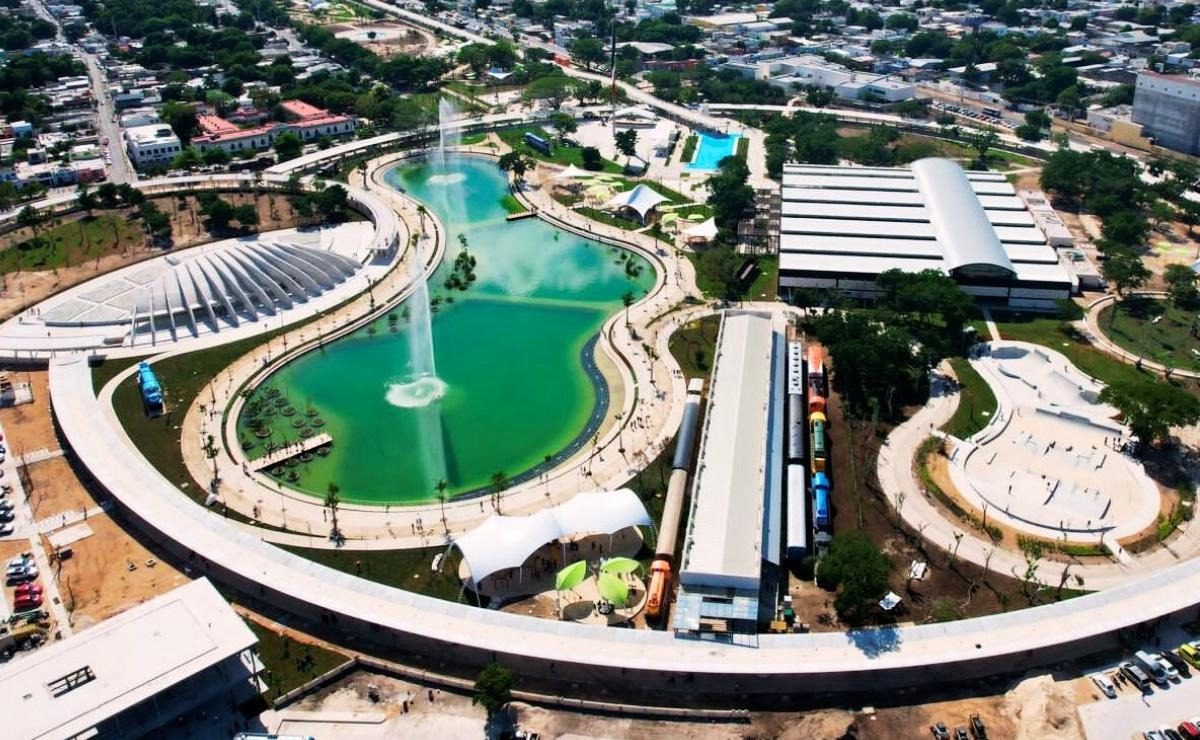

It’s difficult to imagine that the enormous green space now occupied by Parque La Plancha was once a railway yard.
Today, it’s a sprawling urban park where people come to walk, exercise, ride bicycles, spend time with their families and enjoy a little breathing room away from the busy streets of Centro.
There are walking paths, fountains, playgrounds, green spaces, restaurants and areas for cultural activities. It’s particularly pleasant in the late afternoon when the sun begins to soften and the park fills with people.
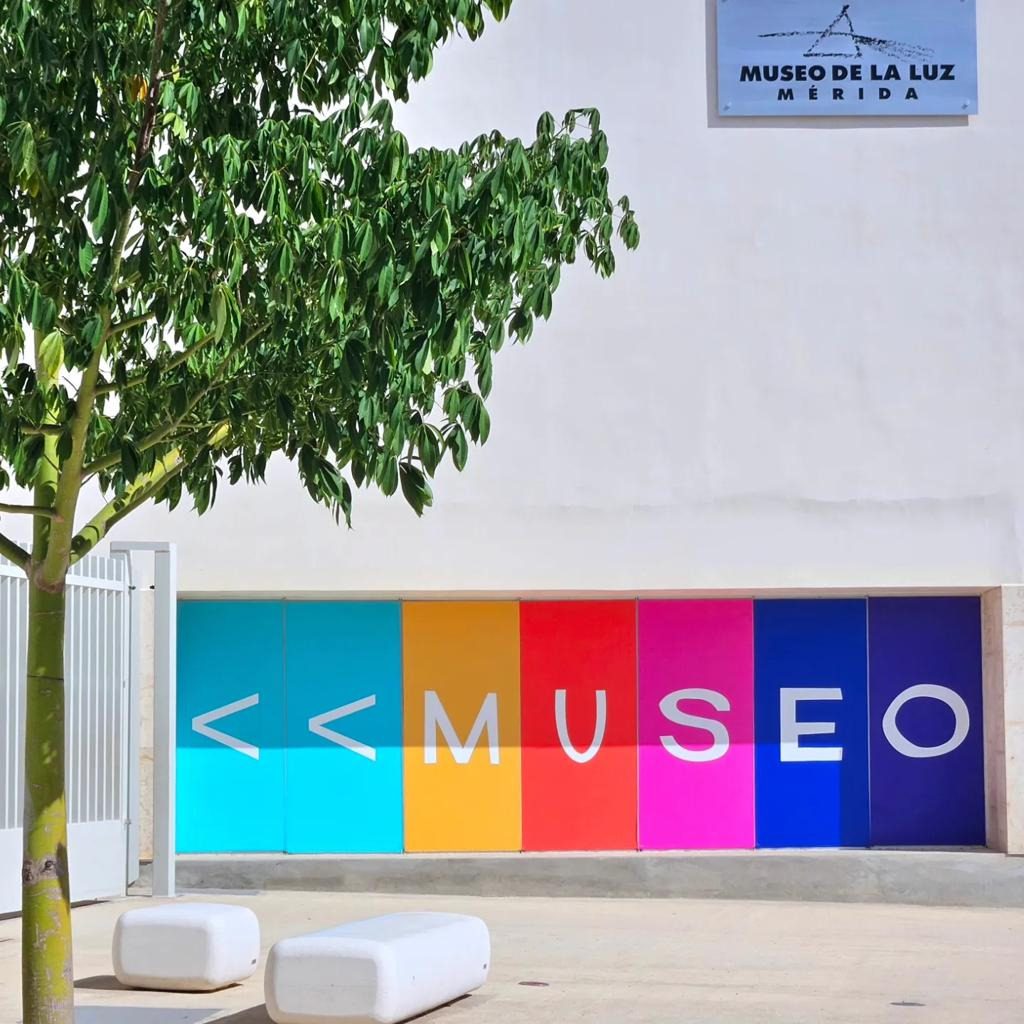
Two attractions worth exploring are the Museo de la Luz, which approaches the science and art of light through interactive exhibitions, and the railway museum, where you can learn more about the history of the railroads that once played such an important role in Yucatán.
La Plancha also connects naturally with Mérida’s newer gastronomic corridor, so you can easily combine a visit with dinner.
Fast Facts
- Location: Former railway grounds, Centro, near Calle 43 and Calle 50.
- Atmosphere: Contemporary, spacious and family-oriented.
- Price point: Free park entry; museums and restaurants extra.
- Best for: Families, walking, museums and relaxed afternoons.
- Insider tip: Arrive around 5 PM, explore the park and stay for dinner nearby.
7. Gran Museo del Mundo Maya: Understanding the Culture Behind Yucatán
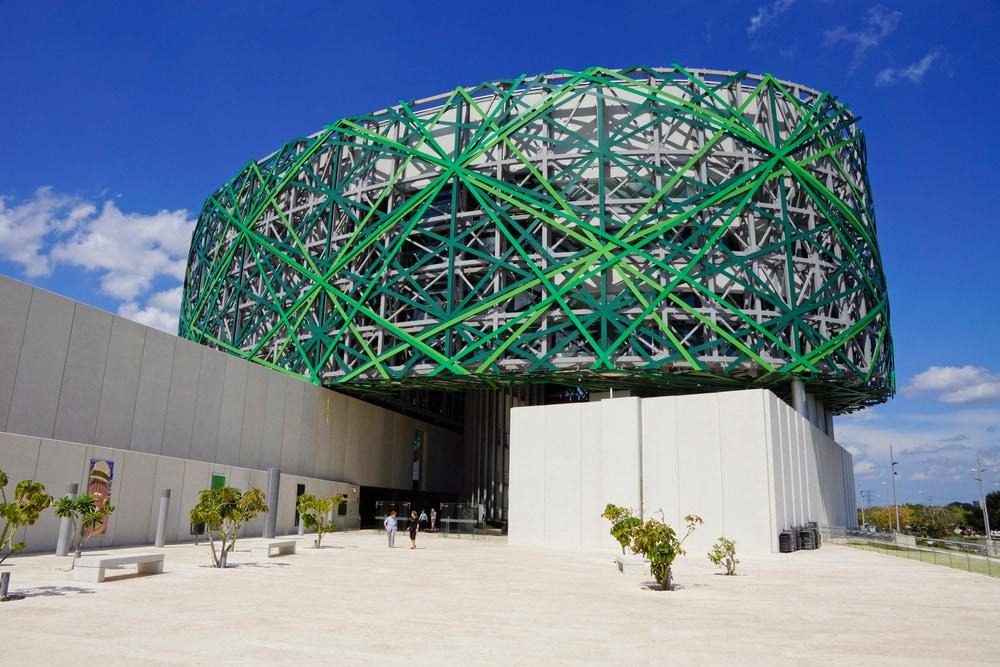
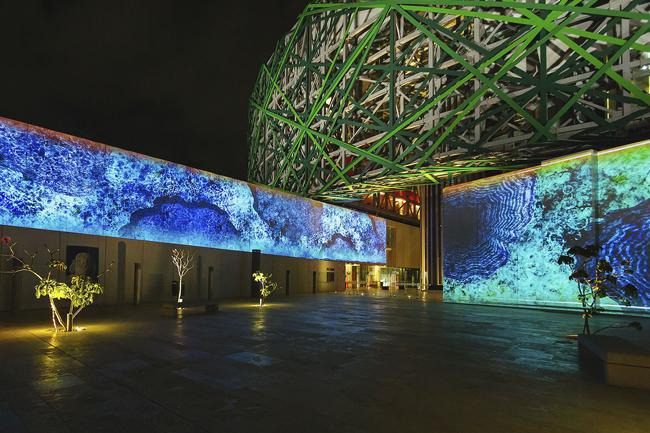
You will encounter Maya culture throughout your visit to Yucatán, but the Gran Museo del Mundo Maya provides valuable context for understanding its history, traditions and continued importance.
The museum’s striking contemporary building takes inspiration from the ceiba tree, which holds deep significance in Maya cosmology. Inside, the exhibitions explore the natural environment of the peninsula, ancient Maya civilization and the lives and traditions of Maya communities today.
One thing worth remembering is that Maya culture isn’t simply something belonging to the distant past. It is a living culture, and the museum does an excellent job of connecting ancient history with contemporary life.
Located in northern Mérida, it’s a taxi ride from Centro, but very much worth making the trip—particularly on a hot afternoon when a few hours indoors sound appealing.
Fast Facts
- Location: Calle 60 Norte No. 299 E, Unidad Revolución Cordemex.
- Atmosphere: Contemporary, educational and spacious.
- Price point: General admission $200 MXN; discounted categories available.
- Hours: Wednesday–Monday, 9 AM–5 PM.
- Best for: History, Maya culture, families and first-time visitors.
- Insider tip: Allow at least two hours and visit before exploring archaeological sites such as Uxmal or Chichén Itzá.
If the museum sparks your curiosity about the ancient Maya, the next logical adventure is to explore the archaeological sites beyond Mérida. Uxmal, in particular, offers an extraordinary opportunity to appreciate Puuc architecture up close.
8. Corredor Gastronómico: Mérida’s New Favorite Place to Eat and Socialize
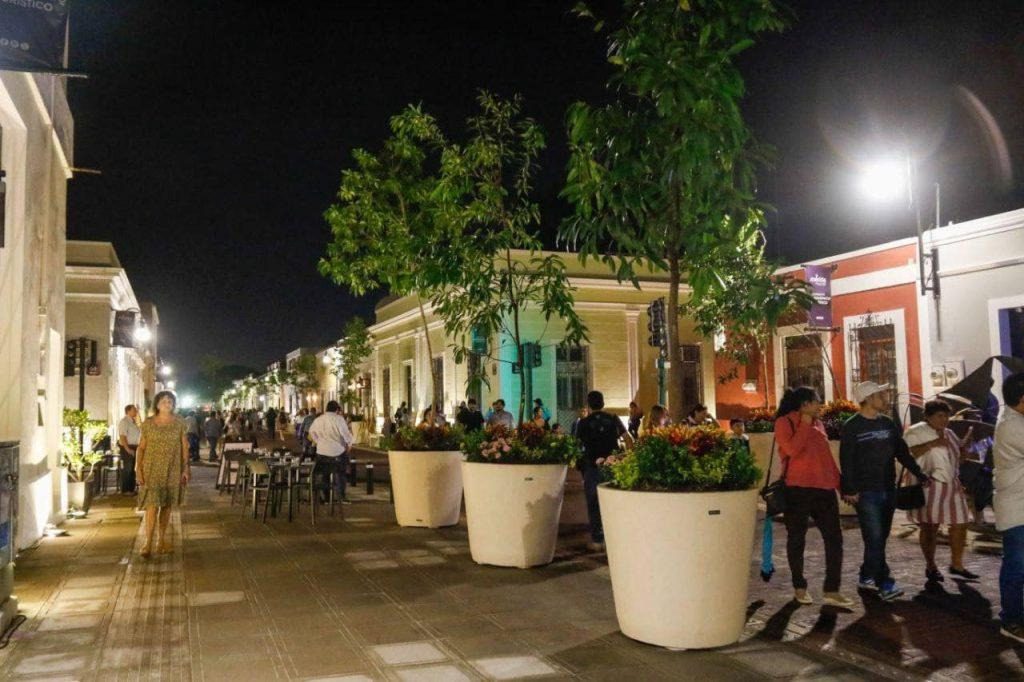
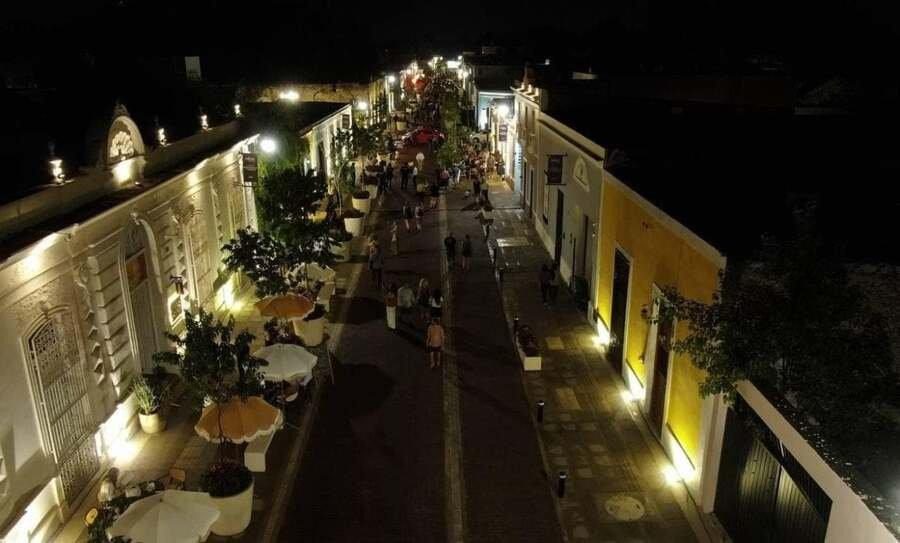
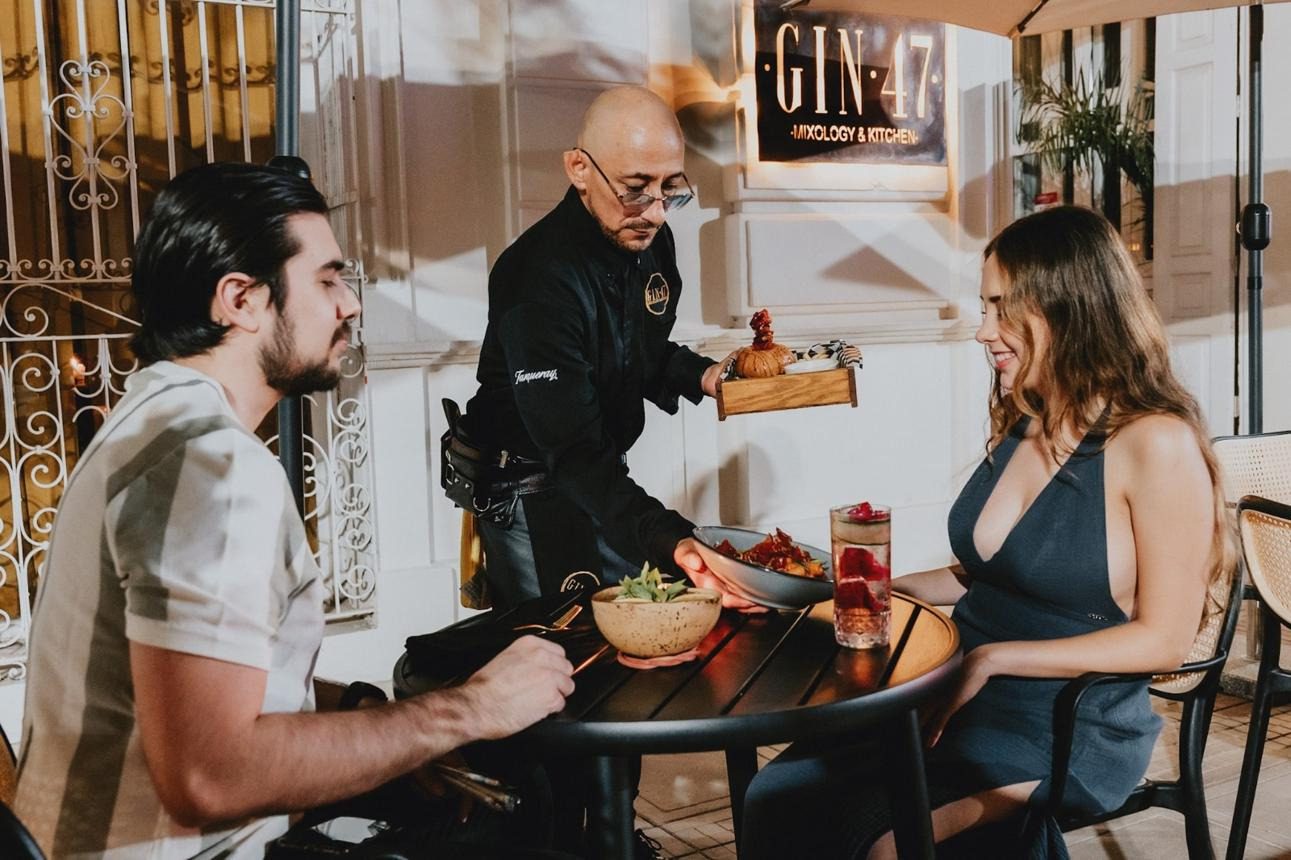
After all that exploring, it’s time to eat. And if there’s one thing Mérida has become particularly good at, it’s giving us plenty of reasons to plan our next meal.
The Corredor Gastronómico along Calle 47 connects Paseo de Montejo with Parque La Plancha, transforming a stretch of Centro into a lively pedestrian-friendly dining destination. The corridor opened in 2023 and has become an important part of the city’s evolving restaurant scene.
You’ll find everything from contemporary Yucatecan cooking and excellent seafood to international restaurants, cocktail bars and relaxed cafés.
We love this area because you can make an entire evening of it. Start with a drink, wander along the street to see what catches your eye and settle in for a long dinner. The architecture provides a lovely backdrop, with restored historic houses now home to some of the city’s most interesting dining concepts.
Fast Facts
- Location: Calle 47, between Calle 60 and Calle 48, Centro.
- Atmosphere: Social, contemporary and lively.
- Price point: Mid-range to upscale, depending on the restaurant.
- Best for: Dinner, cocktails, date nights and groups of friends.
- Insider tip: Come in the evening, when the temperature drops and the terraces begin to fill up.
And if you’re anything like us, discovering one great restaurant inevitably leads to another. Mérida’s food scene has grown enormously in recent years, with plenty of excellent places worth building an entire evening around.
A Few Final Tips for Exploring Mérida
Don’t try to squeeze everything into one day. Mérida is best enjoyed at a leisurely pace, with plenty of stops for coffee, a refreshing sorbet, an unexpectedly interesting gallery or a long lunch that somehow turns into an afternoon.
If you only have two days, concentrate on Centro, Plaza Grande, the markets, Paseo de Montejo and the Corredor Gastronómico. With three or four days, add the museums, Parque de las Américas and La Plancha.
Most importantly, remember that Mérida isn’t a city to rush through. Some of its most memorable moments happen between destinations: a beautifully restored doorway, a quiet courtyard, the smell of freshly baked bread or an unexpected conversation with someone who’s lived here all their life.
Give yourself time for those moments. You’ll often remember them long after you’ve gone home.